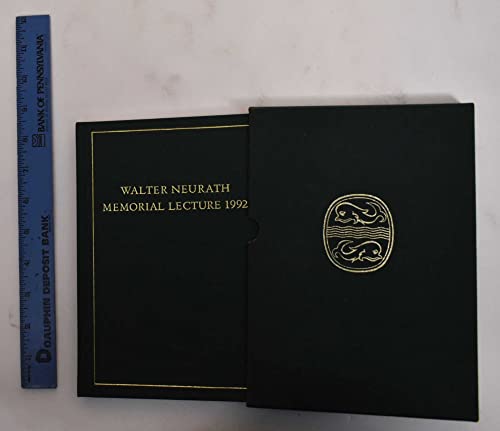
Avant-Garde Gambits 1888-1893: Gender and the Color of Art History (WALTER NEURATH MEMORIAL LECTURES)
Couldn't load pickup availability
About this book
Avant-Garde Gambits 1888-1893: Gender and the Color of Art History (WALTER NEURATH MEMORIAL LECTURES) by Pollock, Griselda. hardcover edition. ISBN: 9780500550250.
In the late 1880s Gauguin, Van Gogh and Bernard, fledgling members of the subculture we call the avant-garde, abandoned Paris, the capital of modernity, to seek out in rural Brittany, Provence - and later in Tahiti - what Van Gogh called "a purer nature of the countryside." Griselda Pollock challenges art historys usual interpretations of this search in the distant and exotic regions by arguing that these artists were cultural colonizers. They exhibited the modern tourists attachment to home - modern Paris and its art worlds - while being fascinated by what they imagined was a pre-modern "other." Through a thorough textual and social reading of Gauguins 1892 painting of his Tahitian wife, Manao Tupapau, the author proposes a new theory about the avant-garde as a series of gambits, a game of reference, deference and difference. This painting refers and defers to Manets Olympia (1863), a notorious avant-garde image of prostitution in the modern city. Where it was seen to differ was in the color of the nude: critics named it a "brown Olympia." Careful deconstruction of this epithet allows Professor Pollock to explore the ways in which racist discourse structures art and art history, posing questions of cultural, sexual and ethnic difference in order to make us all self-critical, not only in regard to the gender, but also to the color of art history.