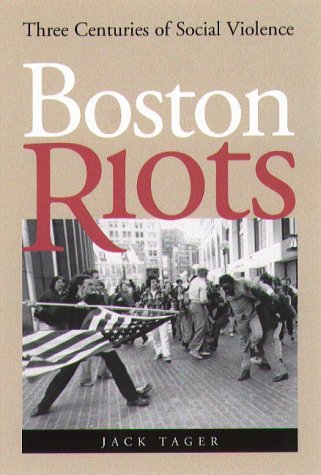
Boston Riots: Three Centuries of Social Violence
Couldn't load pickup availability
About this book
Boston Riots: Three Centuries of Social Violence by Tager, Jack. paperback edition. ISBN: 9781555534608.
From the food uprisings in the early 1700s to the notorious anti-busing riots in the mid-1970s, incidents of communal social violence have played a significant role in Bostons history. Jack Tager explores the more than 100 riots that occurred in the city over a span of nearly three centuries. Drawing on exhaustive research in newspaper archives, Jack Tager revisits both well- and lesser-known episodes, including the grain, impressment, brothel, and Pope Day riots of the eighteenth century; the anti-Catholic, abolition, and draft riots of the nineteenth century; and the Kosher meat, police strike, ghetto, and busing riots of the twentieth century. Tager identifies the protagonists, highlights their motives and demands, and seeks to determine whether they realized their goals. He also examines how victims suffered at the hands of their fellow citizens, shows how law enforcement responded to the riots, and considers the complex social interactions and tensions that contributed to the uprisings. He finds that most incidents of violent civil disorder were initiated by the powerless lower classes who believed rioting was the only avenue for giving voice to their grievances over political, cultural, religious, or economic oppression. This vivid portrait of an ever-changing community over time provides a revealing glimpse into peoples anger, aspirations, and frustrations. It sheds new light on why groups are provoked to take unlawful action in response to unjust conditions, and it opens a fresh vista on the social history of Boston.