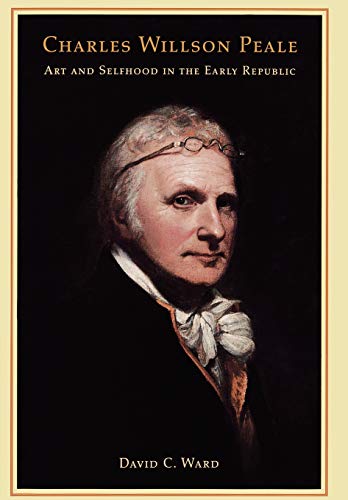
Charles Willson Peale: Art and Selfhood in the Early Republic
Couldn't load pickup availability
About this book
Charles Willson Peale: Art and Selfhood in the Early Republic by David C. Ward. hardcover edition. ISBN: 9780520239609.
Son of a convicted felon whose early death left the family impoverished, Charles Willson Peale (1741–1827) went on to lead a staggeringly full and successful life. A portrait painter who produced an unparalleled body of work, including the iconic The Artist in His Museum, Peale was also a revolutionary soldier, a radical activist, an impresario of moving pictures, a natural historian, an inventor, and the proprietor of one of the first modern museums. His many other interests included a lifelong preoccupation with writing; in fact, his autobiography is one of the first examples of the genre in the United States. David C. Wards engaging book, richly textured with references to the history and culture of the time, is the first full critical biography of Peale. It links the artists autobiography to his painting, illuminating the man, his art, and his times. Peale emerges for the first time as that particularly American phenomenon: the self-made man. Before Peales time, autobiographies had been written mainly as religious and confessional documents. Peale, however, produced his secular work to describe, not how God made him, but how he worked to make himself. This compelling study, drawing extensively from Peales extraordinary autobiography, shows how Peales life itself documents the development of American independence and individualism. Ultimately Ward addresses Hector St. John de Crèvecoeurs great question, "What then is the American, this new man?" as he sheds light on one of these new men and on the formative years in which he lived.