
HomeToys & GamesDigital Culture, Play, and Identity: A World of Warcraft Reader
Skip to product information
1 of 1

Digital Culture, Play, and Identity: A World of Warcraft Reader

paperbackSeptember 23, 2011
Regular price $30.00 USD
Regular price Sale price $30.00 USD
Sale Sold out
Shipping calculated at checkout.
Secure Checkout
Quality Guaranteed
New In Stock
ISBN-13: 9780262516693 ISBN-10: 0262516691
Publisher
MIT Press
Binding
paperback
Published
September 23, 2011
Weight
1.3 lbs
Dimensions
22.90×2.50×16.50 cm

About this book

Digital Culture, Play, and Identity: A World of Warcraft Reader by Corneliussen, Hilde G.. paperback edition. ISBN: 9780262516693.
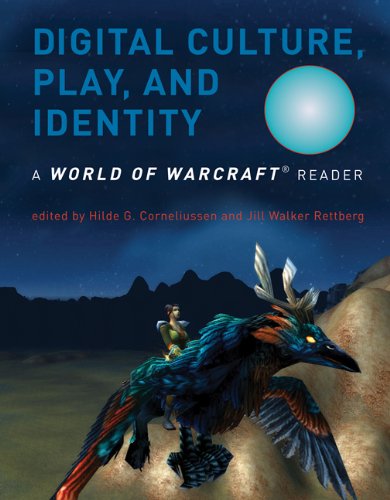
Exploring World of Warcraft as both cultural phenomenon and game, with contributions by writers and researchers who have immersed themselves in the WoW gameworld. World of Warcraft is the worlds most popular massively multiplayer online game (MMOG), with (as of March 2007) more than eight million active subscribers across Europe, North America, Asia, and Australia, who play the game an astonishing average of twenty hours a week. This book examines the complexity of World of Warcraft from a variety of perspectives, exploring the cultural and social implications of the proliferation of ever more complex digital gameworlds. The contributors have immersed themselves in the World of Warcraft universe, spending hundreds of hours as players (leading guilds and raids, exploring moneymaking possibilities in the in-game auction house, playing different factions, races, and classes), conducting interviews, and studying the game designas created by Blizzard Entertainment, the games developer, and as modified by player-created user interfaces. The analyses they offer are based on both the firsthand experience of being a resident of Azeroth and the data they have gathered and interpreted. The contributors examine the ways that gameworlds reflect the real worldexploring such topics as World of Warcraft as a "capitalist fairytale" and the games construction of gender; the cohesiveness of the gameworld in terms of geography, mythology, narrative, and the treatment of death as a temporary state; aspects of play, including "deviant strategies" perhaps not in line with the intentions of the designers; and characterboth players identification with their characters and the games culture of naming characters. The varied perspectives of the contributorswho come from such fields as game studies, textual analysis, gender studies, and postcolonial studiesreflect the breadth and vitality of current interest in MMOGs.