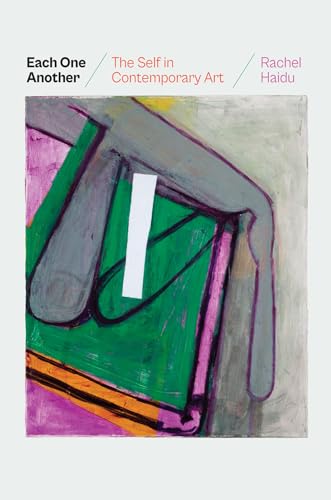
Each One Another: The Self in Contemporary Art
Couldn't load pickup availability
About this book
Each One Another: The Self in Contemporary Art by Haidu, Rachel. hardcover edition. ISBN: 9780226823416.
A consideration of how contemporary art can offer a deeper understanding of selfhood. With Each One Another, Rachel Haidu argues that contemporary art can teach us how to understand ourselves as selves—how we come to feel oneness, to sense our own interiority, and to shift between the roles that connect us to strangers, those close to us, and past and future generations. Haidu looks to intergenerational pairings of artists to consider how three aesthetic vehicles––shape in painting, characters in film and video, and roles in dance––allow us to grasp selfhood. Better understandings of our selves, she argues, complement our thinking about identity and subjecthood. She shows how Philip Guston’s figurative works explore shapes’ descriptive capacities and their ability to investigate history, while Amy Sillman’s paintings allow us to rethink expressivity and oneness. Analyzing a 2004 video by James Coleman, Haidu explores how we enter characters through their interior monologues, and she also looks at how a 2011 film by Steve McQueen positions a protagonist’s refusal to speak as an argument for our right to silence. In addition, Haidu examines how Anne Teresa de Keersmaeker’s distribution of roles across dancers invites us to appreciate formal structures that separate us from one another while Yvonne Rainer’s choreography shows how such formal structures also bring us together. Through these examples, Each One Another reveals how artworks allow us to understand oneness, interiority, and how we become fluid agents in the world, and it invites us to examine—critically and forgivingly—our attachments to selfhood.