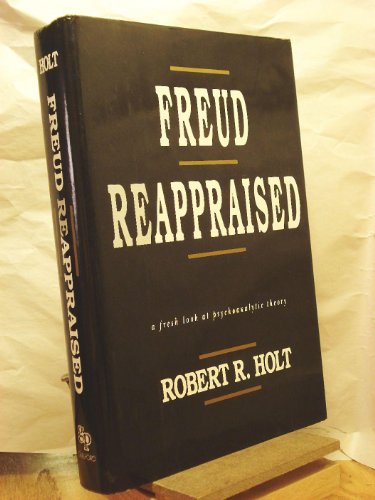

Freud Reappraised: A Fresh Look At Psychoanalytic Theory
Couldn't load pickup availability
About this book
FREUD REAPPRAISED is a comprehensive and authoritative critique of the fundamental theory of psychoanalysis. It is the first appraisal to consider the humanistic and philosophical as well as the biological psychological and medical aspects and antecedents of psychoanalytic theory. With the eye of a concerned friend rather than an attacker or defender Robert R. Holt an internationally recognized Freud scholar presents an erudite analysis of the ills of psychoanalysis. The volume serves as a guide to the reading of Freud and offers a new depth of understanding of the many influences that affected Freuds thought and work. The volume opens with an historical overview that examines the meanings of the basic theory of psychoanalysis (which Freud called metapsychology) its relation to clinical theory its development and personal significance to Freud. Dr. Holt also discusses Freuds cognitive style showing how Freuds unique modes of thinking and writing can easily lend themselves to misinterpretation of his essential message. Three sections which constitute the bulk of the work respectively take up the economic dynamic and structural points of view that comprise metapsychology. Each section presents the origins and intellectual history of the major concepts and describes how Freud came to adopt them. Every segment of theory is examined for its underlying philosophical assumptions its internal consistency how well it squares with relevant facts and how tenable it is by the canons of scientific methodology. Because Freud never ceased amending the theory while he lived the approach takes into consideration the ways in which it developed. The book closes an assessment of psychoanalytic theory as a whole discussion of major developments since Freuds death and an appraisal of the prospects for its reform and reinvigoration. More comprehensive than other works on Freuds attempts to construct a scientific theory and more systematic in its consideration of all aspects of metapsychology this book will be required reading for all serious students of psychoanalytic theory. Beginning students will find that it explains and clarifies much of what is mystifying or difficult to understand in Freuds work while the most advanced scholars will be challenged to take a position on Holts call for fundamental reform. Clinicians who use psychoanalytic theory to any extent will profit from its guidance in holding fast to the parts of Freuds work that have proved lastingly valuable while revising or discarding what is fallacious anachronistic or otherwise flawed. Those who are drawn to intellectual history teachers of psychology and the other disciplines that have been impacted by psychoanalysis and anyone who has been interested in Freuds ideas while having doubts confusion or misgivings about the theory will find the book valuable.