
Over Lincoln's Shoulder: The Committee on the Conduct of the War (Modern War Studies)
Couldn't load pickup availability
About this book
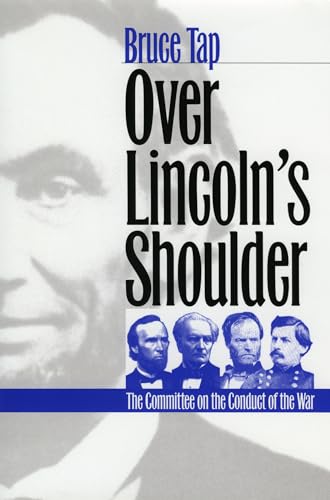
Shortly after the beginning of the Civil War Congress established the Joint Committee on the Conduct of War to investigate such matters as military contracts trade with the enemy treatment of the wounded and the causes of Union defeat. But its greatest efforts were directed toward a more vigorous war effortendorsing emancipation the use of black soldiers and the appointment of fighting generalsleading President Lincoln to fear that this watchdog committee would become little more than an "engine of agitation." The COCOW generated controversy throughout the war and its legacy sparks debate even today over whether it invigorated or hampered the Union war effort. In the wake of both critical and sympathetic appraisals Bruce Tap now offers the first history of COCOWs activities focusing on the nature of its power and its influence on military policy in order to show conclusively what its ultimate impact really was. Tap presents solid evidence including examples of contact between Congress and the military to show that the COCOW produced little good and no small amount of harm. The Committees principal members entertained simplistic notions about warfare that led to rash judgments about its conduct and because its goals were congruent with Republican ideology its principal criterion in evaluating military leadership was adherence to anti-slavery beliefs. As a result the COCOW polarized Congress and the Army limited strategic options demoralized the Unions top generals and inflated the reputations of incompetent soldiers. As Tap demonstrates it was in many ways a serious impediment to the war effort due not to its fanaticism or vindictiveness as some historians have suggested but rather to its members total ignorance of military matters. Over Lincolns Shoulder is a revisionist account that corrects prevailing images of the relationship between Republican politicians and the Army during the Civil War. By examining the conflict between Congresss constitutional right to investigate and the impropriety of its actions it raises questions that are applicable today about the ability of legislative bodies to function in areas where specialized knowledge is required.