Pittsburgh: Then & Now
Couldn't load pickup availability
About this book
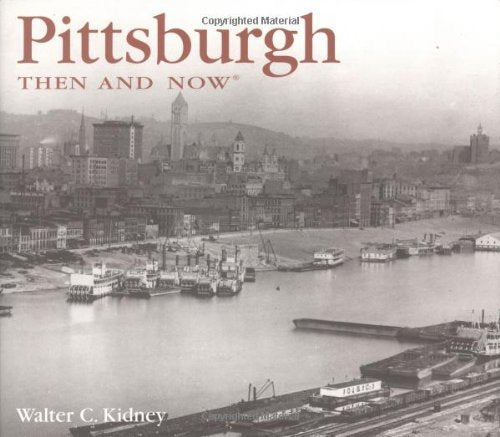
Pittsburgh and the surrounding region are home to architectural masterpieces designed by such noted architects as Henry Hobson Richardson including the Allegheny County courthouse and jail. Some of the most important architectural sites in Pittsburgh include places of worship such as Trinity Cathedral. The city continues to adapt in order to meet the demands of its residents and the world. In Pittsburgh Then and Now juxtaposes specially-commissioned historic photographs with views of the same scenes as they exist today. Mount Washington is remembered as the vantage point 400 feet above the Monongahela River from which the Virginia major of that name spied out the strategic possibilities of the forks of the Ohio River. Now privately owned new buildings and public spaces have been added in front of the redbrick Commerce Court. In 1917 Pittsburghers could see the Allegheny River the Monongahela and their formation of the Ohio at the Pittsburgh Point from Mount Washington. The Point is now a park the old bridges are gone and the meeting of the rivers is marked by a fountain. Fifth Avenue looking east from Market Street in 1899 with a typical Victorian mixture of Italianate and indeterminate architectural styles including a little Gothic executed mainly in brick and cast iron. A little of the older architecture has survived: the Floyd Building is one of Pittsburghs finest examples of the High Victorian Gothic style and the Italianate cast-iron front is one of the oldest commercial structures in the area. In 1921 looking across Liberty Avenue and northward up Sixth Street from the end of Market Street one would have seen Rosenbaums department store Pittsburgh Life Building and Woolworth. Today the central building is Heinz Hall which reopened in 1971 as the home of the Pittsburgh Symphony Orchestra.