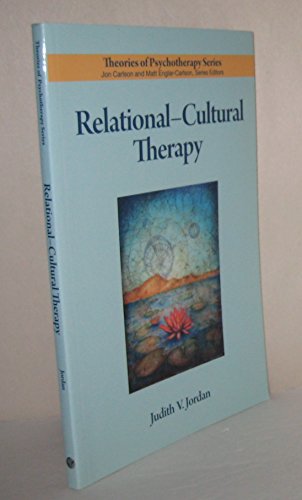

Relational-Cultural Therapy (Theories of Psychotherapy)
Couldn't load pickup availability
About this book
Relational-Cultural Therapy (Theories of Psychotherapy) by Jordan, Judith V.. paperback edition. ISBN: 9781433804632.
In the Theories of Psychotherapy Series. In Relational Cultural Therapy, Judith V. Jordan explores the history, theory, and practice of this relationship-centered, culturally oriented form of therapy. Mainstream western psychological theories generally depict human development as moving from dependence to independence. In contrast, relational cultural therapy is built on the premise that, throughout the lifespan, human beings grow through and toward connection, and that we need connections to flourish, even to stay alive. This theory views isolation as a major source of suffering for people, at both a personal and cultural level. The goal of therapy is to deepen the therapeutic relationship and, ultimately, the client s relationships outside of therapy. Therapy focuses on a client s relational images positive or negative expectations created by past relationships that in turn influence present and future relationships. Negative relational images often cause disconnection between people, so the relational cultural therapist seeks to decrease the effect of these negative images and help the client to become more connected with others. The theory behind this approach centers around positive interpersonal factors such as growth-fostering relationships and mutual empathy as well as cultural factors that facilitate validation and empowerment for marginalized populations. The approach seeks to reduce sources of individual isolation and social injustice, such as racism, classism, and homophobia, which contribute to chronic disconnection. In this book, Dr. Jordan presents and explores this approach, its theory, history, the therapy process, primary change mechanisms, empirical basis, and future developments. This essential primer to relational cultural therapy, amply illustrated with case examples, is perfect for graduate students studying theories of therapy and counseling as well as for seasoned practitioners interested in understanding this approach.