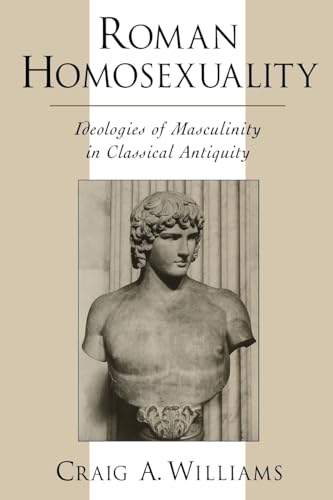
Roman Homosexuality: Ideologies of Masculinity in Classical Antiquity (Ideologies of Desire)
Couldn't load pickup availability
About this book
Roman Homosexuality: Ideologies of Masculinity in Classical Antiquity (Ideologies of Desire) by Williams, Craig A.. paperback edition. ISBN: 9780195125054.
This book provides a thoroughly documented discussion of ancient Roman ideologies of masculinity and sexuality with a focus on ancient representations of sexual experience between males. It gathers a wide range of evidence from the second century B.C. to the second century A.D.--above all from such literary texts as courtroom speeches, love poetry, philosophy, epigram, and history, but also graffiti and other inscriptions as well as artistic artifacts--and uses that evidence to reconstruct the contexts within which Roman texts were created and had their meaning. The book takes as its starting point the thesis that in order to understand the Roman material, we must make the effort to set aside any preconceptions we might have regarding sexuality, masculinity, and effeminacy. Williams book argues in detail that for the writers and readers of Roman texts, the important distinctions were drawn not between homosexual and heterosexual, but between free and slave, dominant and subordinate, masculin and effeminate as conceived in specifically Roman terms. Other important questions addressed by this book include the differences between Roman and Greek practices and ideologies; the influence exerted by distinctively Roman ideals of austerity; the ways in which deviations from the norms of masculine sexual practice were negotiated both in the arena of public discourse and in real mens lives; the relationship between the rhetoric of "nature" and representations of sexual practices; and the extent to which same-sex marriages were publicly accepted.