
HomeHistory BooksSkyscraper: The Politics and Power of Building New York City in the Twentieth Century
Skip to product information
1 of 1

Skyscraper: The Politics and Power of Building New York City in the Twentieth Century

hardcoverOctober 12, 2009
Regular price $73.50 USD
Regular price Sale price $73.50 USD
Sale Sold out
Shipping calculated at checkout.
Secure Checkout
Quality Guaranteed
New In Stock
ISBN-13: 9780812241846 ISBN-10: 0812241843
Publisher
University of Pennsylvania Museum Publications
Binding
hardcover
Published
October 12, 2009
Weight
1.5 lbs
Dimensions
24.80×1.90×18.40 cm

About this book

Skyscraper: The Politics and Power of Building New York City in the Twentieth Century by Flowers, Benjamin. hardcover edition. ISBN: 9780812241846.
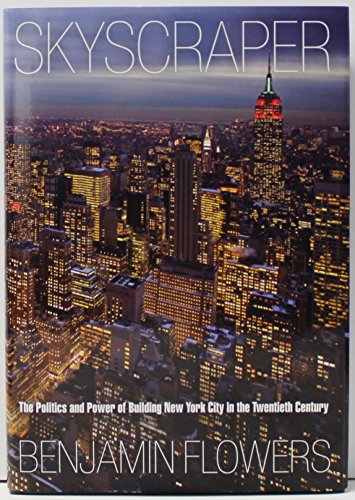
Selected by Choice magazine as an Outstanding Academic Title Nowhere in the world is there a greater concentration of significant skyscrapers than in New York City. And though this iconographic American building style has roots in Chicago, New York is where it has grown into such a powerful reflection of American commerce and culture. In Skyscraper: The Politics and Power of Building New York City in the Twentieth Century, Benjamin Flowers explores the role of culture and ideology in shaping the construction of skyscrapers and the way wealth and power have operated to reshape the urban landscape. Flowers narrates this modern tale by closely examining the creation and reception of three significant sites: the Empire State Building, the Seagram Building, and the World Trade Center. He demonstrates how architects and their clients employed a diverse range of modernist styles to engage with and influence broader cultural themes in American society: immigration, the Cold War, and the rise of American global capitalism. Skyscraper explores the various wider meanings associated with this architectural form as well as contemporary reactions to it across the critical spectrum. Employing a broad array of archival sources, such as corporate records, architects papers, newspaper ads, and political cartoons, Flowers examines the personal, political, cultural, and economic agendas that motivate architects and their clients to build ever higher. He depicts the American saga of commerce, wealth, and power in the twentieth century through their most visible symbol, the skyscraper.