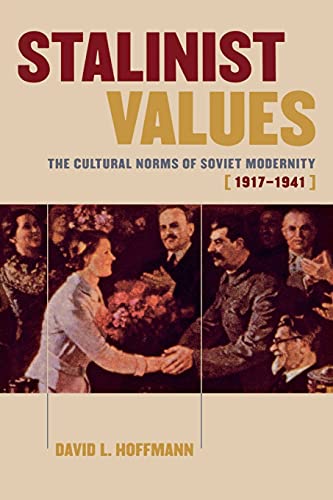
Stalinist Values: The Cultural Norms of Soviet Modernity, 1917–1941
Couldn't load pickup availability
About this book
Stalinist Values: The Cultural Norms of Soviet Modernity, 1917–1941 by Hoffmann, David L.. paperback edition. ISBN: 9780801488214.
Soviet official culture underwent a dramatic shift in the mid-1930s, when Stalin and his fellow leaders began to promote conventional norms, patriarchal families, tsarist heroes, and Russian literary classics. For Leon Trotsky―and many later commentators―this apparent embrace of bourgeois values marked a betrayal of the October Revolution and a retreat from socialism. In the first book to address these developments fully, David L. Hoffmann argues that, far from reversing direction, the Stalinist leadership remained committed to remaking both individuals and society―and used selected elements of traditional culture to bolster the socialist order. Melding original archival research with new scholarship in the field, Hoffmann describes Soviet cultural and behavioral norms in such areas as leisure activities, social hygiene, family life, and sexuality. He demonstrates that the Soviet states campaign to effect social improvement by intervening in the lives of its citizens was not unique but echoed the efforts of other European governments, both fascist and liberal, in the interwar period. Indeed, in Europe, America, and Stalins Russia, governments sought to inculcate many of the same values―from order and efficiency to sobriety and literacy. For Hoffmann, what remains distinctive about the Soviet case is the collectivist orientation of official culture and the degree of coercion the state applied to pursue its goals.