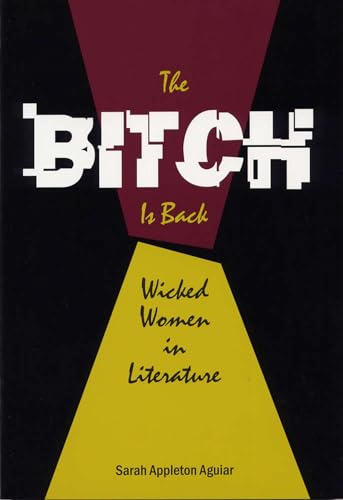

The Bitch is Back: Wicked Women in Literature
Couldn't load pickup availability
About this book
Although the bitch has always commanded a prominent spot in popular culturetelevision movies artshe virtually disappeared from the work of the second wave of feminist writers in the late 1960s and early 1970s. Now announces Sarah Appleton Aguiar the bitch is back returned once more to cultural center stage in the world of serious literature. Feminist writers such as Mary Gordon and Alice Walker to name only two felt obligated to subvert literary misrepresentations of females as dimensionless to refute preconceptions of objectified characters and of paramount importance to create memorable women full of complexity and character. They wanted to create a subjective reality for their protagonists. And they succeeded admirably. But along the road to subjectivity that vital woman empowered with anger with ruthless survival instinctsthe bitchwas banished from the pages of feminist fiction. The village gossips calculating gold-diggers merciless backstabbers sinful sirens evil stepmothers deadly daughters twisted sisters hags bags and cronesall had vanished from the fiction written by women. Ubiquitous in other forms of media the bitch was noticeably absent from the feminist literary canon. Aguiar however points to indications in contemporary culture that the season of the bitch is fast approaching. Contemporary feminist writers and theorists are making substantial reevaluations of the archetypal bitch. Focusing on the traits and the types of guises usually associated with this vital character Aguiar discusses such characters as Zenia in Margaret Atwoods The Robber Bride Ruth Patchett in Fay Weldons The Life and Loves of a She-Devil Sula in Toni Morrisons Sula and Ginny in Jane Smileys A Thousand Acres.