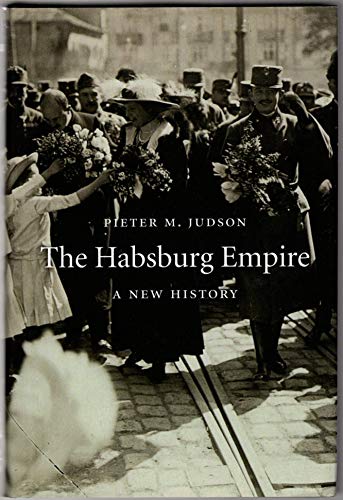
The Habsburg Empire: A New History
Couldn't load pickup availability
About this book
In a panoramic and pioneering reappraisal Pieter Judson shows why the Habsburg Empire mattered so much for so long to millions of Central Europeans. Across divides of language religion region and history ordinary women and men felt a common attachment to their empire while bureaucrats soldiers politicians and academics devised inventive solutions to the challenges of governing Europes second largest state. In the decades before and after its dissolution some observers belittled the Habsburg Empire as a dysfunctional patchwork of hostile ethnic groups and an anachronistic imperial relic. Judson examines their motives and explains just how wrong these rearguard critics were. Rejecting fragmented histories of nations in the making this bold revision surveys the shared institutions that bridged difference and distance to bring stability and meaning to the far-flung empire. By supporting new schools law courts and railroads along with scientific and artistic advances the Habsburg monarchs sought to anchor their authority in the cultures and economies of Central Europe. A rising standard of living throughout the empire deepened the legitimacy of Habsburg rule as citizens learned to use the empires administrative machinery to their local advantage. Nationalists developed distinctive ideas about cultural difference in the context of imperial institutions yet all of them claimed the Habsburg state as their empire. The empires creative solutions to governing its many lands and peoplesas well as the intractable problems it could not solveleft an enduring imprint on its successor states in Central Europe. Its lessons remain no less important today.