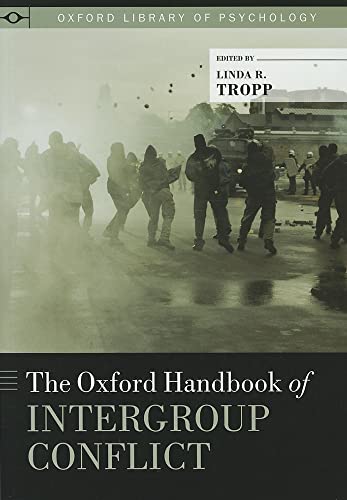
The Oxford Handbook of Intergroup Conflict (Oxford Library of Psychology)
Couldn't load pickup availability
About this book
Social psychologists and peace scholars have both contributed a great deal of knowledge of the factors that enhance or inhibit conflict and the likely effectiveness of practices and interventions that address such conflict. However contributions from these scholarly communities have grown apart and lack the integration that helped to create the interdisciplinary investigations of early peace research. This Handbook brings these perspectives together to encourage a more integrative approach to the study of intergroup conflict and peace. With insightful chapters from key social psychologists and peace scholars this volume offers an extensive overview of critical questions issues processes and strategies relevant to understanding and addressing intergroup conflict. Chapters on sources of intergroup conflict examine dynamic processes in intractable conflict ideological bases of conflict and processes of delegitimization and moral exclusion. Other chapters on the perpetuation of intergroup conflict highlight processes associated with retribution and revenge group identities historical memories victimization and divergent perspectives between groups in conflict. Authors review strategies for reducing and resolving intergroup conflict using a variety of interventions that may be useful at different stages of conflict with particular emphasis on strategies such as intergroup contact dialogues and interactive problem solving. Finally the authors survey the ways groups can move beyond conflict exploring topics such as the prevention of genocide and mass violence reconciliation apology and reparation transitional justice and approaches to building sustainable peace. In a concluding chapter Herbert Kelman offers reflections of past and current efforts to bridge social psychological and peace perspectives on intergroup conflict and peace. This Handbook will provide a more integrative and cohesive foundation for research- and practice-oriented scholars who seek to develop effective approaches for reducing and resolving conflict and promoting peaceful relations.