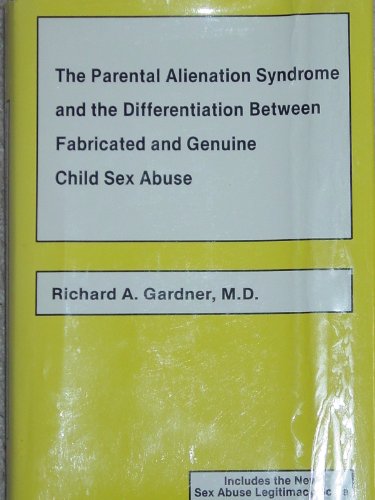
The parental alienation syndrome and the differentiation between fabricated and genuine child sex abuse by Richard A Gardner (1987-05-03)
Couldn't load pickup availability
About this book
During the last few years we have become appreciative of how widespread is child sex abuse. We have also seen an increase in false allegations of sex abuse by children especially in the context of child custody litigation. It is important for us to differentiate between these two kinds of allegations. Not to do so is to risk the prosecution of innocents and the exoneration of bona fide sex offenders. This volume provides examiners with criteria for making this important differentiation. Dr. Gardner traces the historical development in Western society of the adversary system and the history of parental preference (mother vs. father) following marital dissolution. Appreciation of these historical sequences puts the reader in a better position to understand the sex-abuse allegation problem with which we are dealing today. He describes in detail the etiology pathogenesis manifestations and psychodynamics of a disorder that he refers to as the parental alienation syndrome - with particular focus on the syndromes relationship to adversary proceedings and child custody litigation. He delineates the mechanisms by which fabricated allegations of sex abuse emerge from the parental alienation syndrome. He describes a series of criteria that examiners can use to differentiate between fabricated and bona fide sex-abuse allegations. Emphasis is placed on the importance of the examiners having full access to all concerned parties: the child the accuser and the alleged perpetrator. Specific details are provided regarding interviewing techniques - so important to master if one is to assess properly these children and make the important differentiation between bona fide and fabricated sex-abuse allegations. He then describes a scale he has developed the Sex Abuse Legitimacy Scale that objectivies the differentiating criteria producing a Sex Abuse Legitimacy Score. He also presents recommendations for change that could contribute to preventing thy ssyndrom.