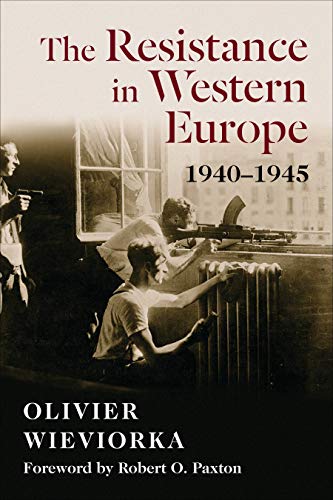
The Resistance in Western Europe, 1940–1945 (European Perspectives: A Series in Social Thought and Cultural Criticism)
Couldn't load pickup availability
About this book
The Resistance in Western Europe, 1940–1945 (European Perspectives: A Series in Social Thought and Cultural Criticism) by Wieviorka, Olivier. hardcover edition. ISBN: 9780231189965.
In just three months in 1940, Denmark, Norway, Belgium, the Netherlands, Luxembourg, and France fell to the Nazis. The German occupation of Western Europe had begun―but a brave few rose up in defiance. National resistance has long been celebrated in remembrances of World War II, depicted as making significant contributions to the defeat of Nazi Germany. However, the so-called army of shadows drew heavily on the support of London and Washington, a fact often forgotten in postwar Europe. The Resistance in Western Europe, 1940–1945 is a sweeping analytical history of the underground anti-Nazi forces during World War II. Examining clandestine organizations in Norway, Denmark, the Netherlands, Belgium, France, and Italy, Olivier Wieviorka sheds new light on the factors that shaped the resistance and its place in the grand scheme of Anglo-American military strategy. While national actors played a leading role in fomenting resistance, British and American intelligence services and propaganda as well as financial, material, and logistical support were crucial to its activities and growth. Wieviorka illuminates the policies of governments in exile and resistance actors regarding cooperation with the British and Americans, pointing to the persistence of national self-interest and long-standing historical tensions. Drawing on a wide range of archival sources and bringing together the political, diplomatic, and military dimensions of the conflict, this book is the first account of the resistance on a continental scale and from a trans-European perspective.