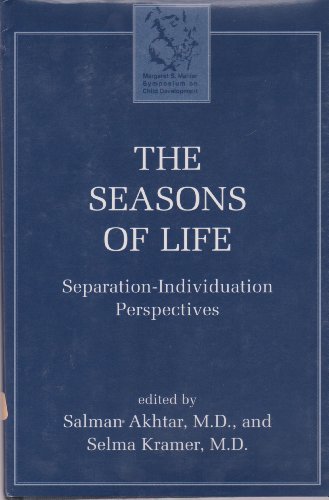
The Seasons of Life: Separation-Individuation Perspectives (Margaret S. Mahler)
Couldn't load pickup availability
About this book
Margaret Mahler stressed that while the separation-individuation phase comes to an end during the third year of life the separation-individuation process continues throughout life. Indeed she viewed the rapprochement subphase of separation-individuation as the mainspring of mans eternal struggle against both fusion and isolation. Exponents of her work have found that each developmental step during life stirs up potential threats of object loss separation anxiety and the necessity for negotiating ones relationships with internalized objects of childhood. Eleven distinguished psychoanalysts carry these ideas further in this well-organized volume. Together they trace the echoes of the separation-individuation process through the Oedipus complex latency and adolescence well into mature adulthood even senescence. Combining psychoanalytically informed infant and child observation data with the established tenets of ego psychology and object relations theory these investigators highlight the separation-individuation motif looming in the background of all adult development. They demonstrate the value of such conceptualization with the help of characters from literary classics as well as poignant clinical vignettes. The turmoil of adolescence the vigor of young adulthood the contemplative and yet enriching anguish of midlife and the generative wisdom of grandparenthood and old age are all brought into consideration. Despite such normative bent and wide-ranging scope the focus of the book remains clinical. Its ultimate aim is to enhance the clinicians ability to decipher empathize with and technically handle the dilemmas of separation loss and continuing individuation presented by our patients.