Transitory Gardens, Uprooted Lives
Couldn't load pickup availability
About this book
Transitory Gardens, Uprooted Lives by Balmori, Ms. Diana. hardcover edition. ISBN: 9780300057720.
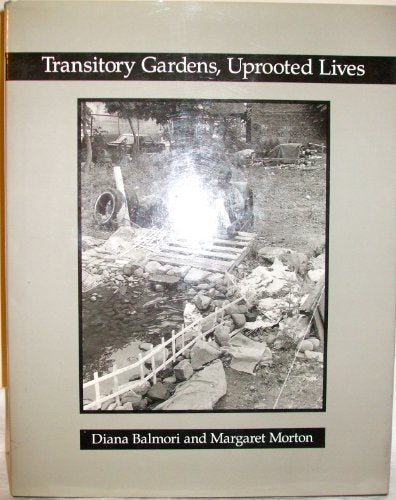
Jimmys garden on the Lower East Side of Manhattan - an assortment of stones and garbage bags, five tires, a chair, a skid, a refrigerator shelf, some ailanthus trees and goldfish, a wooden fence, and a pond with water carried by hand from a nearby fire hydrant - was recently bulldozed by the city. Jimmy then disappeared. Annas garden is surrounded by a tall chainlink fence and filled with a menagerie of dolls and stuffed animals. The animals are whole, the dolls are maimed. Anna is a recluse who speaks to no one. The neighbors say she was in a concentration camp as a child. Gardens have always been associated with wealth and leisure, viewed as an addition to home. In this remarkable book a landscape architect and a photographer show us, in word and pictures, gardens built by homeless or impoverished New York City inhabitants. Like traditional gardens, these spaces are designed for pleasure, social activity, or private retreat. Unlike traditional gardens, they are connected to an active and ephemeral use of the land. Transitory gardens speak the language of our times: here we find the reuse of nearly everything discarded, a sparing use of water and plant materials, an economical treatment of space, and a penchant for icons, toys, flags, and symbols of freedom and nationality. The gardens expand our definition of what makes a garden and what its design means for its creator. Diana Balmoris commentary and Margaret Mortons photographs combine with the gardenmakers own descriptions to encourage us to take note of gardens grown in unlikely places, on abandoned, littered lots, bounded by debris. By focusing on what homeless people make not for material comfort but from social and spiritual need, the book offers insight into both the meaning of landscape and the place of a garden in the life of an individual under duress.