Worlds of Thomas Jefferson At Monticello
Couldn't load pickup availability
About this book
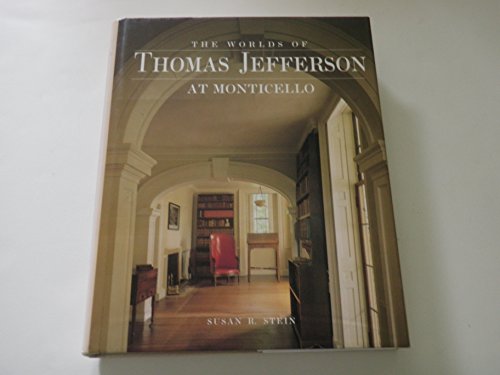
Thomas Jefferson was by any reckoning one of the most remarkable men ever to have crossed Americas political stage. In 1776 he drafted the Declaration of Independence and throughout the Revolution and in the posts he held thereafter - governor of Virginia minister to France secretary of state vice president and president - Jeffersons responsibilities were enormous and his accomplishments profound. Yet during those years he also was able to design his own house Monticello the magnificent Palladian mansion in central Virginia and later to establish the University of Virginia and to plan its principal buildings. And through all this Jefferson made purchases for a lifetime. Needing to furnish not only Monticello but also the ministerial residence in Paris - the Hotel de Langeac - and the Presidents House in Washington Jefferson bought with consummate taste and an extraordinary eye for the newest in American English and French styles. Fascinated by science and the growing field we now call "technology " Jefferson procured or had built devices for copying letters telescopes for exploring the stars and even dumbwaiters to minimize dependence on servants at mealtimes. He was keenly curious about his native land and devoted to promoting its virtues and he acquired examples of its fossils flora and fauna and studied its indigenous peoples. Determined that the former colonies should both enjoy their cultural patrimony and preserve their own history he purchased original paintings and had copied what could not be bought. He commissioned busts of his intellectual heroes as well as of the heroes of the American struggle for independence. The Worlds of Thomas Jefferson assembles more than 150 of the objects Jefferson acquired - the first time they have been seen together since the contents of Monticello were dispersed at his death. This astonishing collection reveals the limitless range of his curiosity and the acuteness of his taste portraying not only Jefferson the statesman but also Jefferson the architect amateur scientist connoisseur farmer and historian. The articles pictured and described range from priceless historical treasures such as the lap desk on which the Declaration of Independence was composed to the personal and homely such as the wrist strap and dumbbell Jefferson was obliged to use after an injury; from precious objects of art such as Gilbert Stuarts portraits of Jefferson to the shards of porcelain found in excavations at Monticello; from the finely worked silver tumblers known as the "Wythe-Jefferson Cups" to the Mandan buffalo robe that was part of his collection of Native American artifacts; from the great Entrance Hall clock he designed for Monticello to the silk damask-upholstered chairs he purchased in Paris. In all it is a collection that mirrors both the mind of Americas greatest statesman and the tastes and styles of the time in history when the American people secured their own independence and offered the world an example of a free people in a democratic state. The Worlds of Thomas Jefferson is written by Susan R. Stein curator of Monticello who provides an introduction placing Jeffersons acquisitions within the context of his political career family life and intellectual pursuits. In the catalogue each object is described individually with details about its history as well as its importance to Jefferson.